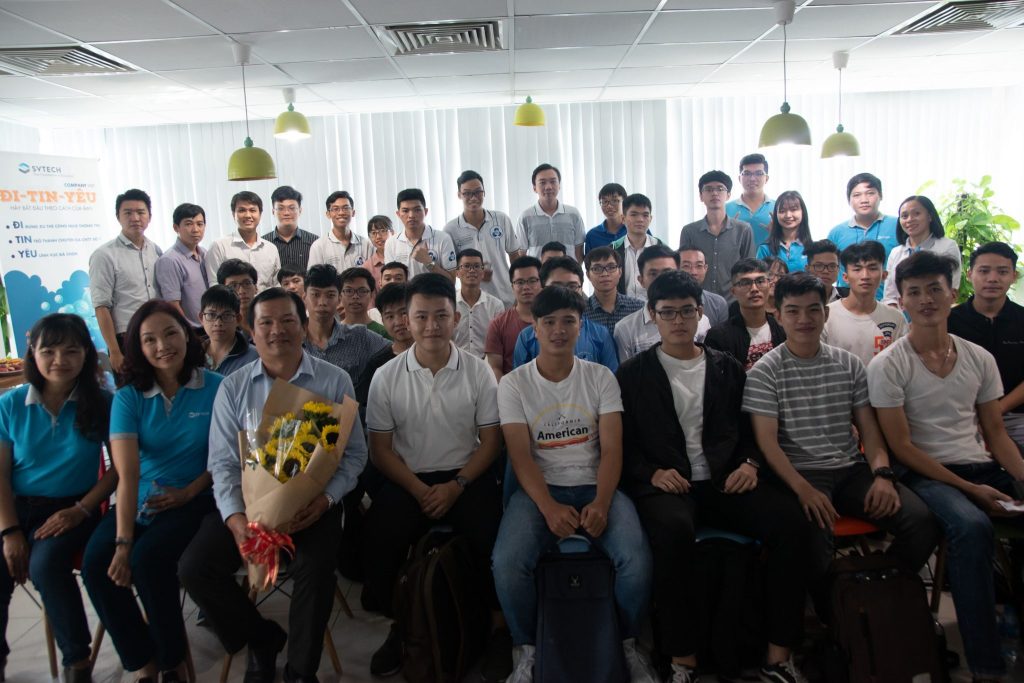


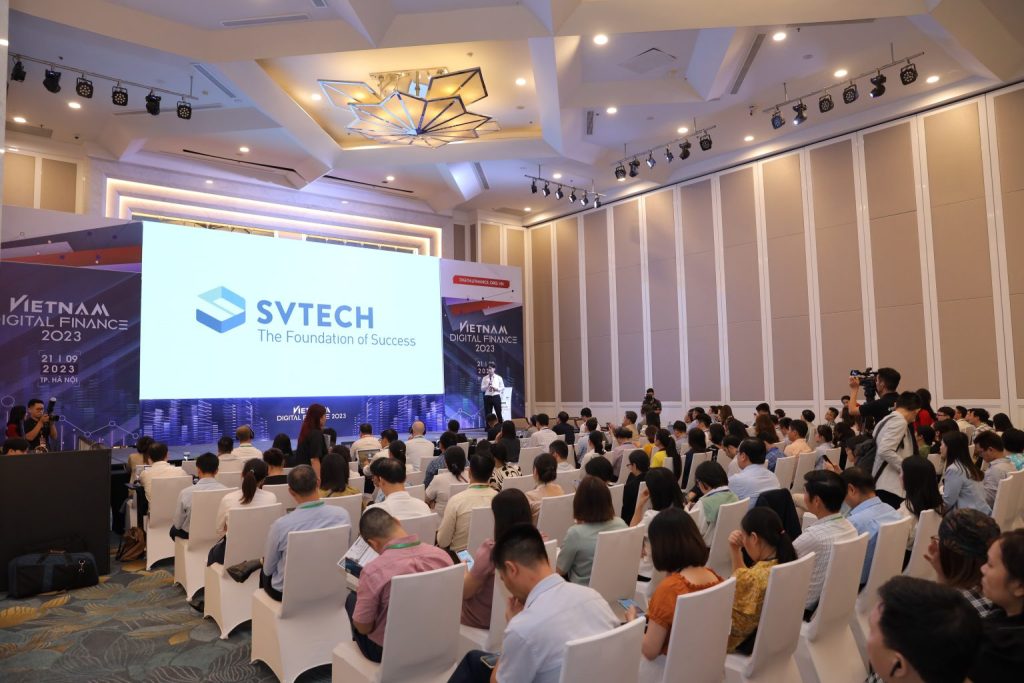
On September 21, within the framework of the Vietnam Digital Finance 2023 (VDF-2023) Conference – Exhibition, SVTECH experts presented their experience in Data Governance and offered several proposals and recommendations to organizations and enterprises regarding data governance strategies and the digitalization of operational processes.
The Conference – Exhibition on Digital Finance in State Budget Management 2023 (Vietnam Digital Finance 2023) (VDF-2023) is an annual event organized by the Department of Informatics and Financial Statistics and the Institute of Financial Strategy and Policy (Ministry of Finance), with the theme “Digital Data – The Foundation for Sustainable Digital Finance Development.”
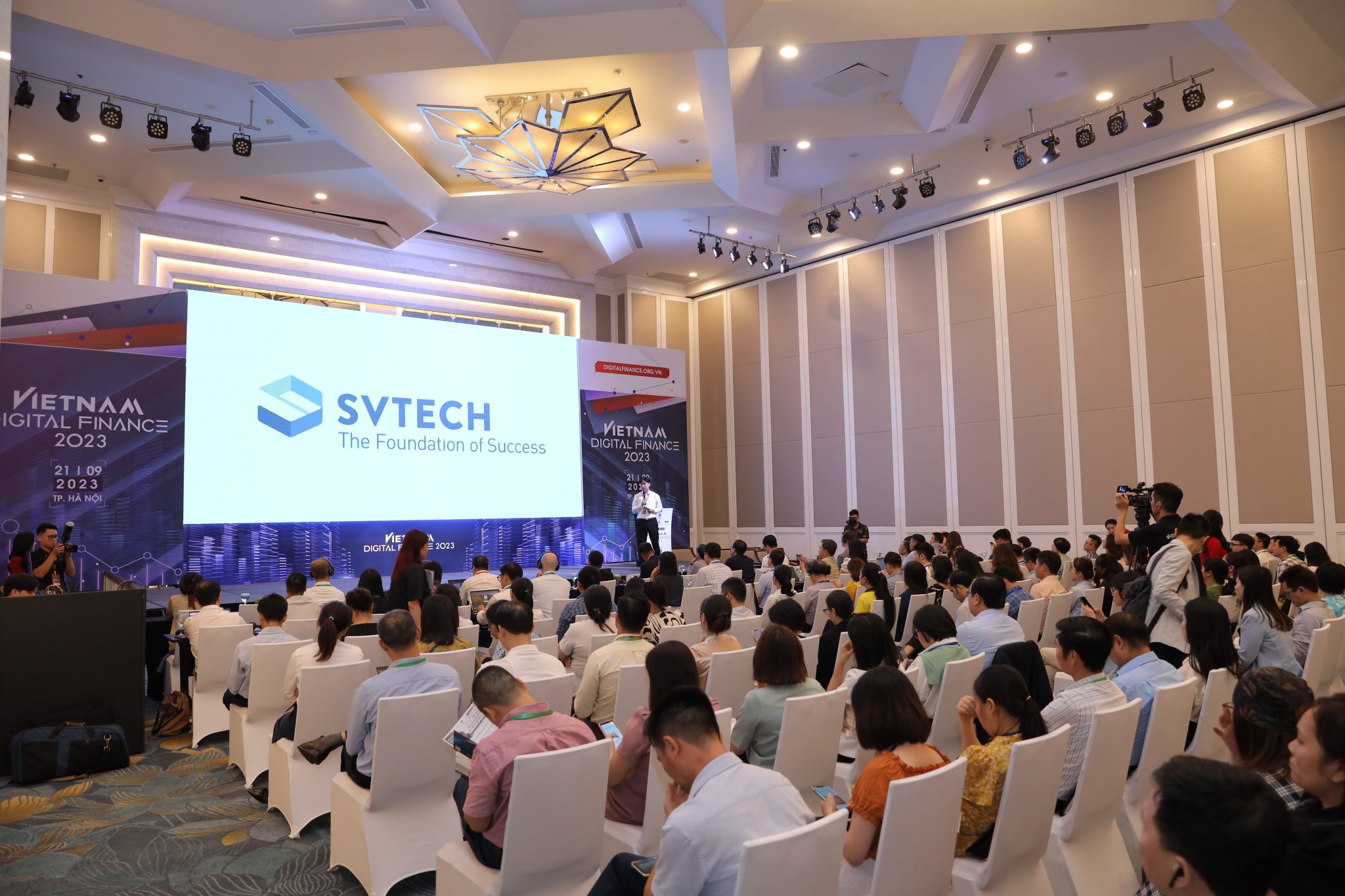
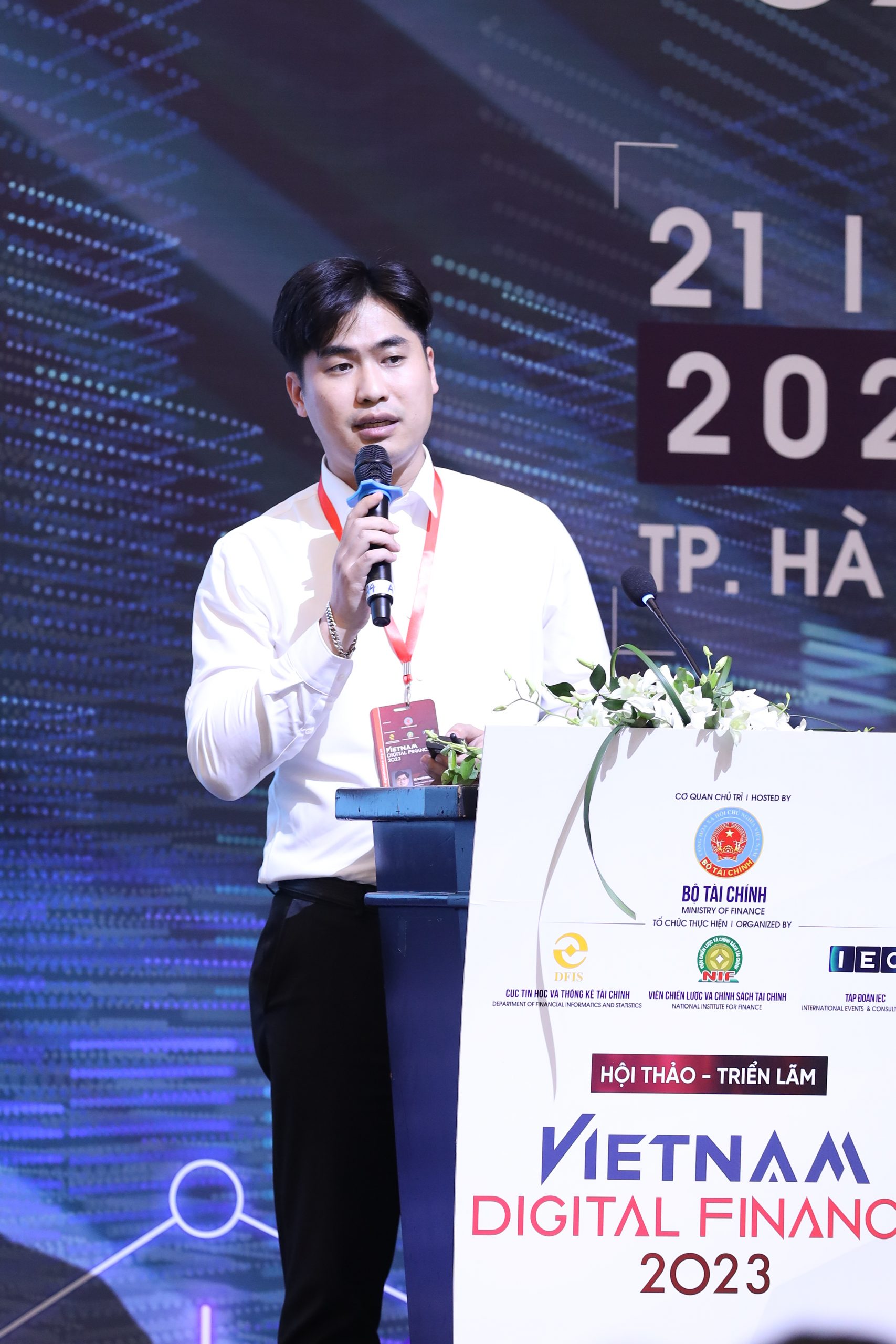
At Session 2: Optimizing Data in Digital Transformation for the Finance Sector, SVTECH’s expert, Mr. Nguyễn Khắc Xuân Bách (Senior Consultant in Data and Data Analytics), shared his experience in consulting and implementing Data Governance solutions for many enterprises in Vietnam.
According to Mr. Bách, the typical data platform model today, with countless sources and multiple layers of ingestion, storage, processing, and consumption, generates extremely large volumes of data, requiring a strict process for data management.
Data Governance is the exercise of authority and control (planning, monitoring, and execution) over the management of data assets. In the Data Management Association (DAMA) framework, ten activities of data governance are identified.
Data governance requires a strict and consistent process, along with workforce training in data governance knowledge, while also applying technologies that support compliance with established processes.
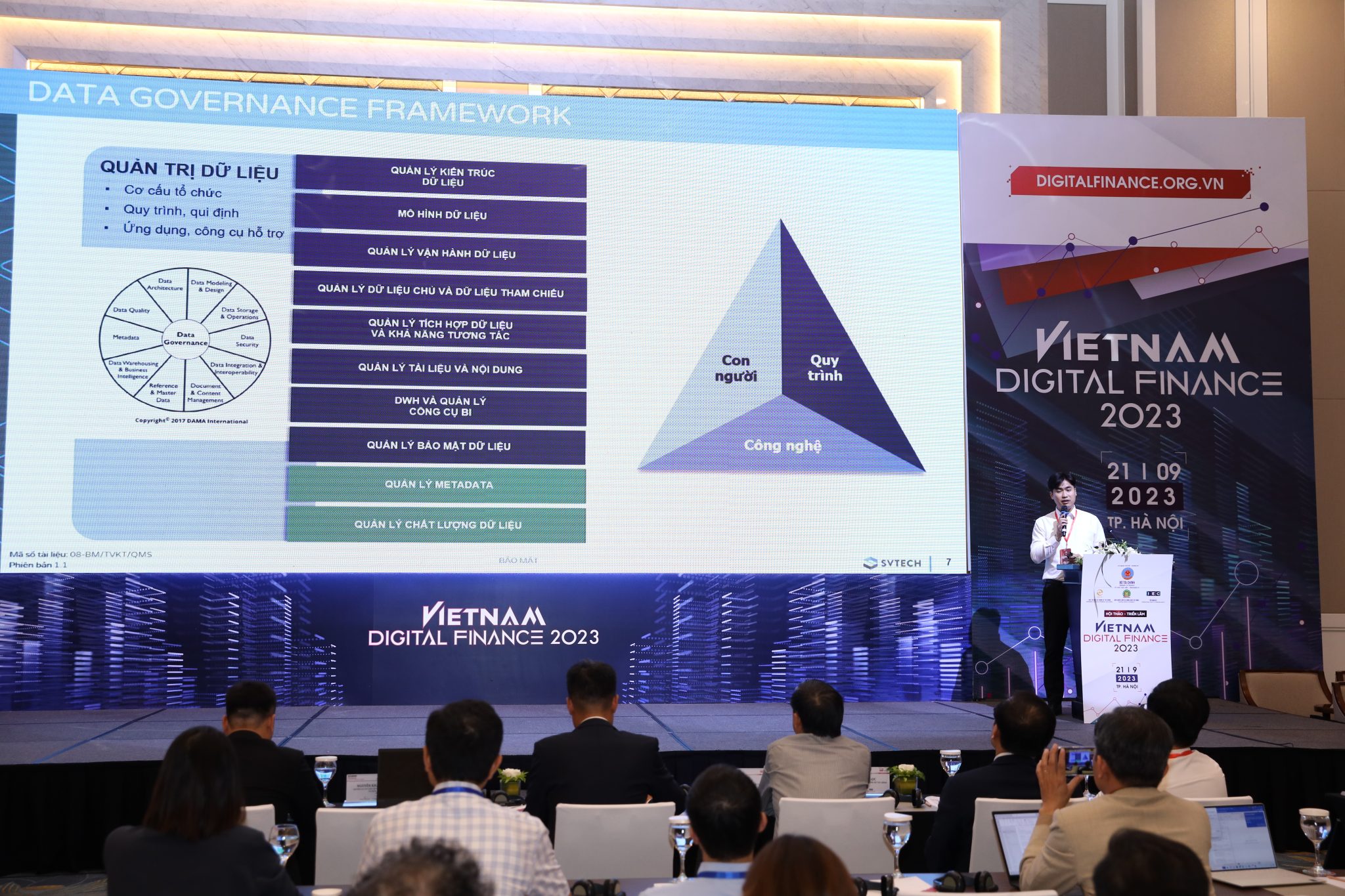
“A business without data governance is like walking into a massive library without a catalog, where books lack classification, and numerous titles are duplicated or damaged” – Mr. Bách noted.
Users will waste time searching for and understanding data when information is inconsistent and inaccurate. Decisions made based on such data may lead to financial, human resource, or legal risks.
From this, SVTECH experts proposed an effective data governance process, along with key tasks that must be carried out:
- Completing mechanisms, policies, processes, and standards for creating, sharing, exploiting, and managing data
- Enhancing data infrastructure: building and operating data integration and sharing platforms, data analytics and processing platforms, and shared data warehouses that provide master data, reference data, and metadata
- Developing information security solutions based on system classification levels, monitoring and assessing data security, and ensuring compliance with regulations on data sharing and utilization
- Improving the quality of the data governance workforce

Also at the event, SVTECH highlighted the challenges and difficulties to be considered during implementation and provided practical solutions. These included applying tools for metadata management, data quality management, and master data management.
The solution emphasizes that data governance processes should be supported by modern technology, helping enterprises quickly deploy, monitor, and supervise data quality.
Machine learning and artificial intelligence algorithms also contribute to data cleansing, enrichment, and detecting duplicated data across distributed systems within an enterprise.
With successful implementation experience of this solution at a major bank in Vietnam, SVTECH is confident that this will be the right direction, contributing to the acceleration of the 2023 digital transformation roadmap of the Finance sector in particular and organizations and enterprises in Vietnam in general.